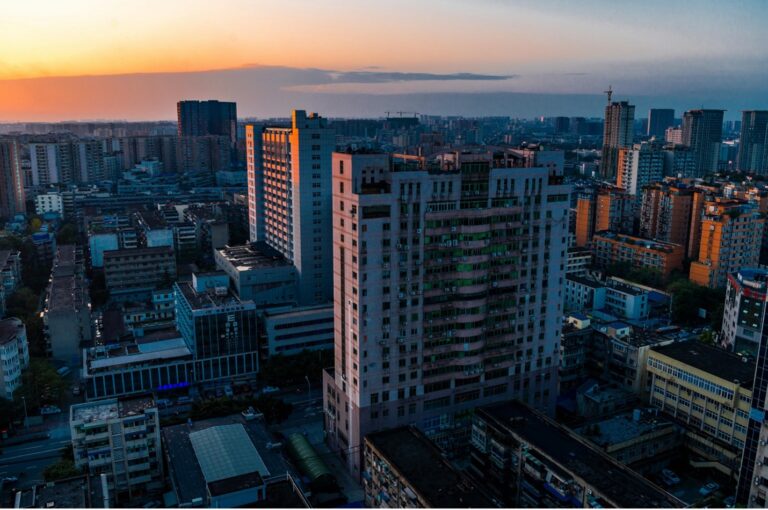


China’s growth story is no longer written in megacities. Beyond Beijing, Shanghai, and Shenzhen, a new wave of consumers in emerging-tier cities is quietly reshaping how China earns, spends, and lives. Daxue Consulting scraped and analyzed 30 million Chinese social media posts about emerging-tier markets to understand how the markets develop and how they reshape Chinese business models and what industries will benefit from this development. Our analysis explain why the market emerges, the market scale, and related industries, and we provide brand cases for a concrete understanding.
Download our China emerging-tier market report here:
Key findings on China’s lower-tier city consumption habits:
- Rising potential: The GDP of emerging-tier cities is projected to reach RMB 110 trillion by 2025, with rural disposable income growth outpacing urban areas.
- Policy push: Initiatives like the Rural Revitalization Strategy and Digital Countryside Plan are expanding infrastructure, logistics, and digital inclusion, fueling local spending.
- E-commerce boom: Platforms like Pinduoduo and Douyin dominate shopping habits, blending entertainment, social connection, and impulse consumption.
- Affordable indulgence: From RMB 5 milk tea to cost-effective coffee, beverages have become small luxuries that symbolize emotional comfort and “sweet escape.”
- EVs for everyone: Lower-tier consumers are powering China’s EV wave, driven by short-distance commutes and government subsidies.
- Redefining beauty: Aesthetic ideals favor transformation and glamour, adapted from big-city trends but localized to reflect practicality and aspiration.
- Reverse tourism rise: Urban youth are seeking slow-paced “anti-tourism” escapes to smaller cities, fueling local hospitality and cultural tourism.
- Home upgrade wave: High marriage rates and family gifting drive demand for durable, premium home appliances across counties and towns.